
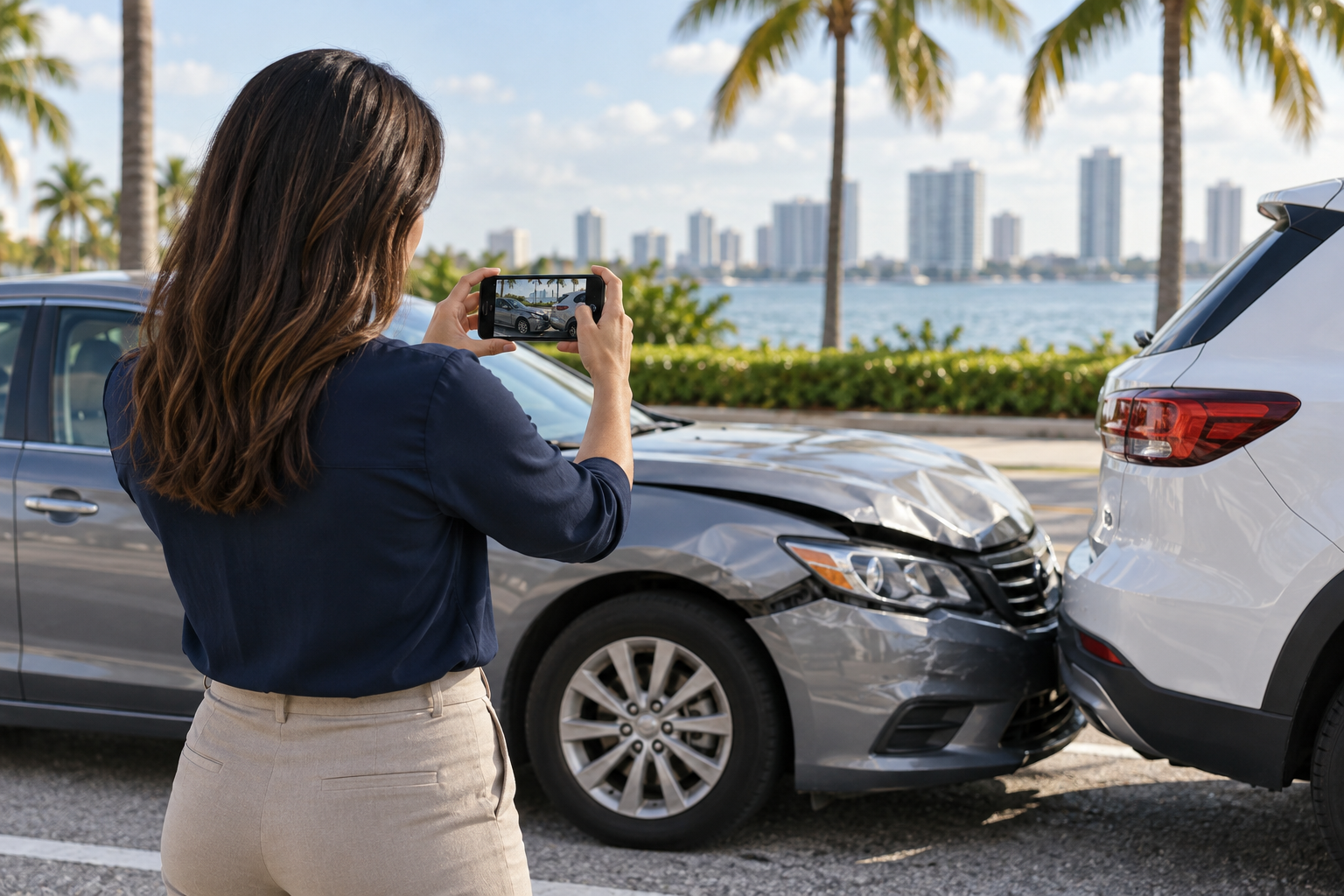
Car Accidents February 11, 2026
Why What You Do After an Accident Matters: Florida's Apology Statute
Learn how expressing sympathy after a car crash is treated under Florida law and how it impacts your personal injury recovery.
Legal news, Florida injury claim guidance, safety updates, and legal advice from Attorney Hector M. Piedra.
Learn how expressing sympathy after a car crash is treated under Florida law and how it impacts your personal injury recovery.

Understanding who holds legal standing to file a product liability or medical negligence claim in Florida.
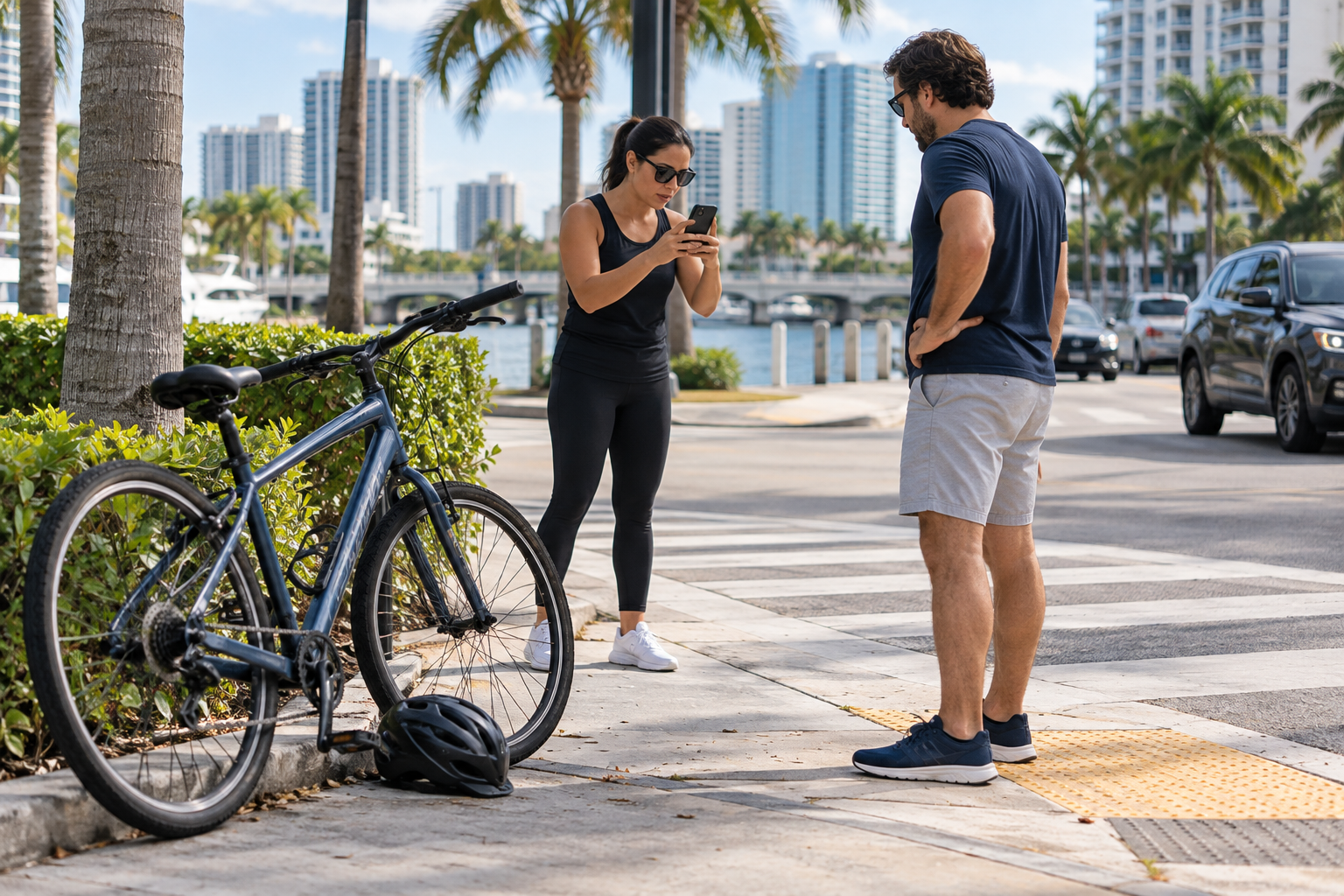
Pedestrian right-of-way laws in Florida, crosswalk regulations, and recovering damages after being hit by a vehicle.
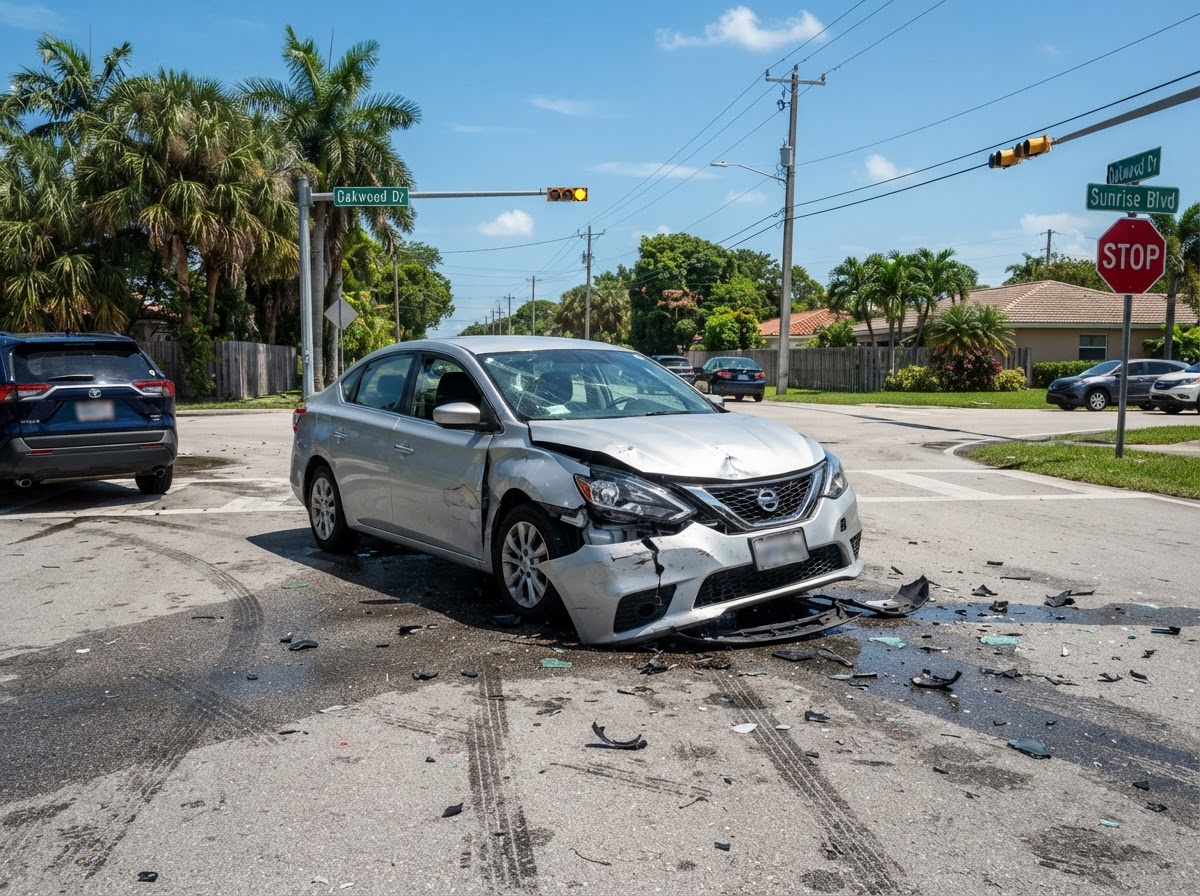
Florida PIP coverage pays the first medical bills after a crash, but when do injured drivers and passengers step outside the no-fault system? Learn how the rules interact.
From calling 911 to preserving evidence and avoiding early settlement mistakes, these practical steps help protect a potential Florida injury claim.
From crash reports and black-box data to medical records and wage documentation, learn what evidence supports a Florida injury claim and how to preserve it.
Commercial truck collisions involve larger vehicles, multiple parties, federal regulations, and records that disappear quickly. Learn what makes these claims distinct.
Driver logs, EDR data, maintenance records, and the vehicle itself can disappear quickly. Learn what to preserve and why timing matters.
Severe injuries, longer treatment courses, and multiple liable parties shape what compensation may be available. Understand the categories and what documentation supports them.
Many motorcycle crashes involve a driver who "didn't see" the rider. Learn how visibility disputes, right-of-way, and evidence shape a Florida motorcycle claim.
From crash reports and helmet compliance to medical records and gear damage, learn what to gather before discussing a motorcycle injury matter.
Motorcycle injuries often meet the serious-bodily-injury standard more readily, but the no-fault layer works differently for riders. Learn how the 2023 reforms interact with motorcycle claims.
Uber and Lyft drivers carry layered insurance that shifts depending on app status. Learn how coverage phases work and what determines which policy applies.
App screenshots, match records, and timestamp data can prove which coverage phase applied. Learn what to preserve after a rideshare crash.
When the at-fault driver has no or too little insurance, UM/UIM coverage may apply. Learn how it interacts with rideshare accidents in Florida.
Drivers must yield to pedestrians in crosswalks, but the rules include exceptions. Learn when pedestrians have the right-of-way and how fault is evaluated in Florida.
Dooring collisions, bike-lane conflicts, and vehicle-bicycle liability. Learn how Florida law treats cyclists on the roadway and what affects fault.
Police reports, scene photos, witness contacts, and medical records. Learn what evidence supports a pedestrian or bicycle injury claim.
Scooter riders, rental companies, vehicle drivers, and road conditions can all play a role. Learn how responsibility is evaluated after an e-scooter crash.
Where can you ride an e-scooter, and what duties does Florida law impose? Learn the operating rules that affect liability after a crash.
What records support an e-scooter injury claim? Learn what to gather and preserve, from equipment to medical records.
Property owners have duties to visitors, but a fall alone does not establish liability. Learn how Florida premises liability law evaluates slip and fall claims.
The steps you take after a fall can affect a premises liability claim. Learn what to do — and what to avoid — after a slip and fall.
Incident reports, photographs, and medical records. Learn what evidence supports a slip and fall claim and how to preserve it.
A poor medical result is not automatically malpractice. Learn how Florida law distinguishes an adverse outcome from potential negligence and what must be shown.
Florida sets specific time limits for malpractice claims, plus pre-suit requirements. Learn how the statute of limitations and repose rules may apply.
The records you gather affect how a malpractice matter is evaluated. Learn what to collect and how to prepare for a consultation.
A wrongful death claim arises when negligence causes a death. Learn who may bring a claim, what damages may be available, and how Florida law applies.
Survivors and the estate each have distinct recovery rights. Learn how Florida law defines eligible survivors and the damages available to each.
Records and information help a wrongful death matter be evaluated. Learn what to gather and how to prepare for a consultation.
Florida holds dog owners liable for bites in public places and lawful private places. Learn how strict liability and the 'bad dog' defense work.
Medical care, identifying the dog and owner, and reporting the bite. Learn the steps that protect your health and a potential claim.
Medical records, photographs, and animal-control reports support a dog bite claim. Learn what to preserve and how it affects evaluation.
Construction sites carry inherent risks, but a worksite injury may involve more than one responsible party. Learn how Florida law evaluates construction accident claims.
The evidence available after a construction injury can shape a claim. Learn what to preserve and why it matters.
A construction injury may involve a third party beyond the employer. Learn how third-party claims differ from workers' compensation.
A defective product can cause serious injury. Learn the three types of product defects and how Florida law evaluates product liability claims.
A recall may be relevant to a product liability claim, but a recall alone does not prove your case. Learn how recalls relate to injury claims.
The product itself is the most important evidence. Learn what to preserve and why it matters for a product liability claim.